
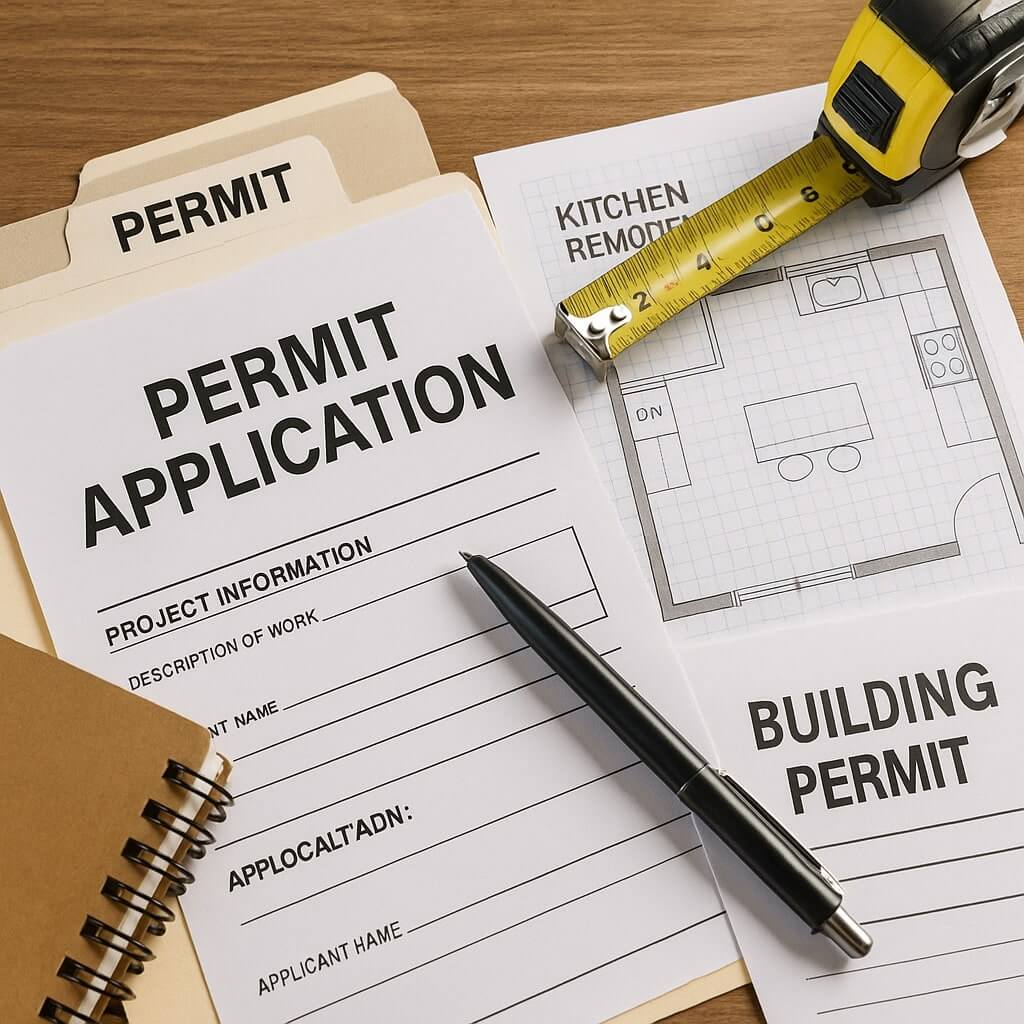
When you’re planning a kitchen remodel, figuring out whether you need a permit can be tricky. You might think minor updates are fine without one, but significant changes often require approval. It’s essential to know the rules before you start swinging a hammer. So, how do you find out what’s needed in your area? Let’s explore the steps to guarantee your project stays compliant and avoid any surprises down the line.
Key Takeaways
- Research local building codes and regulations to understand specific permit requirements for kitchen remodeling in your area.
- Contact your local building department or check their website for detailed information on permits needed for various kitchen projects.
- Minor cosmetic changes like painting or new countertops typically do not require permits, while structural changes do.
- Hire a licensed contractor who can navigate permit applications and ensure compliance with local regulations.
- Attend a pre-inspection meeting and familiarize yourself with processing times to avoid project delays.
Understanding Local Building Codes
When you’re planning a kitchen remodel, understanding local building codes is essential, as these regulations guarantee your project is safe and compliant.
Start by researching local ordinances, which can vary considerably from one area to another. These codes often dictate specific requirements for plumbing, electrical work, and structural changes.
Contact your local building department or visit their website to access the necessary information. Knowing these building regulations upfront can save you time and money, ensuring you avoid costly fines or the need for costly changes later.
Don’t overlook this critical step; it’s imperative for a successful remodel.
Types of Kitchen Remodeling Projects
Kitchen remodeling projects can range from minor updates to major overhauls, and understanding the different types can help you determine what might require a permit.
If you’re changing your kitchen layout, like knocking down walls or relocating fixtures, you may need approval.
On the other hand, simple appliance upgrades—like swapping out old appliances for new ones—typically don’t require permits.
Simple upgrades, such as replacing appliances, usually don’t need permits, making them an easy option for your kitchen remodel.
Additionally, cosmetic changes, such as painting or new countertops, usually fall under minor updates.
Knowing the scope of your project is essential, as it influences both the design and the legal requirements for your kitchen remodel.
When Permits Are Typically Required
Understanding the scope of your kitchen remodel helps you identify when permits are necessary.
Generally, permits are required for significant changes like structural alterations, electrical work, and plumbing upgrades. If you’re altering your kitchen’s layout or moving appliances, you’ll likely need specific permit types.
Even cosmetic changes, like adding windows or changing the plumbing layout, can trigger permit requirements. Always consider the extent of your remodel scope; the more extensive the changes, the higher the chance you’ll need a permit.
It’s essential to assess these factors to guarantee your project complies with local regulations and avoids costly fines down the road.
Checking With Your Local Building Department
Before you plunge into your kitchen remodel, it’s essential to check with your local building department to clarify what permits you might need. Local requirements can vary considerably, and understanding permit differences guarantees you avoid costly fines or project delays.
| Type of Work | Permit Needed? |
|---|---|
| Structural Changes | Yes |
| Cosmetic Updates | Usually No |
| Electrical Work | Often Yes |
Contact your local department early in the process. They’ll guide you on necessary permits, helping you stay compliant and focused on creating your dream kitchen.
The Importance of Hiring Licensed Contractors
When you’re planning a kitchen remodel, hiring licensed contractors can save you a lot of headaches.
They know the regulations inside and out, ensuring your project stays compliant with local laws.
Plus, their expertise offers quality assurance, so you can trust the work will be done right the first time.
Expertise in Regulations
Have you ever considered how essential it’s to hire licensed contractors for your kitchen remodel? Their expertise in regulations guarantees your project meets local codes and achieves regulatory compliance.
Here’s why you should consider hiring them:
- Knowledge of Local Codes: They’re familiar with the specific regulations in your area.
- Permit Applications: They handle the paperwork, making the process smoother.
- Risk Management: Licensed contractors minimize the risk of costly fines or delays.
- Professional Accountability: They’re accountable for their work, giving you peace of mind.
Investing in licensed professionals can save you time, money, and stress.
Quality Assurance Guarantees
Quality assurance guarantees are essential when it comes to hiring licensed contractors for your kitchen remodel. These guarantees guarantee your project management runs smoothly while adhering to safety and regulatory standards. Licensed contractors provide expertise, preventing costly mistakes and guaranteeing quality work from start to finish.
| Aspect | Licensed Contractors | Unlicensed Contractors |
|---|---|---|
| Quality Assurance | High | Low |
| Project Management | Professional | Inconsistent |
| Legal Compliance | Guaranteed | Risky |
| Insurance Coverage | Extensive | Limited |
| Warranty Availability | Yes | No |
Investing in licensed professionals pays off!
Common Kitchen Upgrades That May Require Permits
Before diving into your kitchen remodel, it’s crucial to know which upgrades might require permits.
Here are some common kitchen upgrades to take into account:
- Changing the kitchen layout – Moving walls or altering the flow can necessitate permits.
- Electrical work – Upgrading or relocating outlets and wiring often needs approval.
- Plumbing changes – Installing new sinks or dishwashers may require plumbing permits.
- Appliance upgrades – If you’re switching to gas appliances, you’ll likely need a permit for safety regulations.
Understanding these requirements can help you avoid costly delays and guarantee your remodel goes smoothly.
How to Apply for a Permit
When you’re ready to apply for a permit, it is essential to gather all the necessary documentation and understand the specific requirements of your local building department. Start with your renovation checklist to guarantee you have everything needed for your permit application.
| Document Needed | Purpose |
|---|---|
| Project Plans | Visualize changes |
| Floor Plans | Layout specifics |
| Contractor Info | Verify qualifications |
| Property Deeds | Confirm ownership |
| Previous Permits | Reference past work |
What to Expect During the Permit Process
As you navigate the permit process for your kitchen remodel, it’s essential to grasp your local regulations.
You’ll need to submit your application within a specific timeline, and understanding what inspections are required will keep your project on track.
Let’s break down each of these aspects to guarantee you’re well-prepared.
Understanding Local Regulations
Maneuvering local regulations can feel overwhelming, but understanding the permit process for your kitchen remodel is crucial to avoid costly delays. Here’s what you need to know:
- Research Local Zoning: Check your area’s zoning laws to see if your remodel complies.
- Identify Permit Exemptions: Some minor changes may not require a permit—know these to save time.
- Consult Local Officials: Speak with local building authorities for clarity on requirements.
- Plan for Inspections: Be prepared for mandatory inspections during and after your remodel to guarantee compliance.
Stay informed, and you’ll navigate the process smoothly!
Application Submission Timeline
How long does the permit process typically take? It varies, but understanding the timeline can help you plan effectively. Typically, you’ll need to take into account application deadlines and the submission process.
| Stage | Timeframe |
|---|---|
| Application Preparation | 1-2 weeks |
| Initial Review | 1-4 weeks |
| Revisions (if needed) | 1-2 weeks |
| Final Approval | 2-6 weeks |
Stay proactive by submitting your application early. Knowing these timeframes can help you avoid delays and keep your kitchen remodel on track.
Inspection Requirements Explained
Understanding inspection requirements is essential for a smooth kitchen remodel, especially since these inspections verify your project complies with local codes and safety standards.
Here’s what to expect during the permit process:
- Pre-inspection meeting: Discuss your plans and review the inspection checklist.
- Initial inspection: Make sure structural changes meet remodeling guidelines.
- Rough-in inspection: Check plumbing, electrical, and HVAC installations.
- Final inspection: Confirm all work is complete and up to code.
Consequences of Skipping Permits
While you might think skipping permits for your kitchen remodel will save you time and hassle, the consequences can be far more costly than you realize.
Not only could you face fines and penalties, but you might also encounter legal ramifications that complicate future home sales. If your remodel doesn’t meet safety codes, you could be liable for damages or injuries, leaving you in a precarious position.
Additionally, insurance claims may be denied due to unpermitted work. It’s crucial to understand these consequences explained and guarantee your project complies with local regulations to avoid these potential headaches down the line.
Resources for Homeowners on Permitting Regulations
Before you immerse yourself in your kitchen remodel, it’s important to know where to find reliable resources on permitting regulations.
Here are some great homeowner resources to kickstart your permit research:
Explore these valuable homeowner resources to begin your permit research effectively.
- Local Government Websites: Check your city or county’s site for specific regulations.
- Building Departments: Contact them directly for guidance on required permits.
- Home Improvement Associations: These often provide valuable insights and updates.
- Online Forums: Engage with other homeowners who’ve navigated similar projects for tips.
Utilizing these resources will help guarantee your remodel stays compliant and stress-free.
Conclusion
To summarize, checking whether you need a permit for your kitchen remodel is essential before diving into the project. By understanding local building codes and consulting your local building department, you can avoid costly fines and guarantee your renovations meet safety standards. Remember, hiring licensed contractors can make the process smoother, and applying for permits helps protect your investment. Stay informed, and you’ll enjoy your newly remodeled kitchen with peace of mind!