
When planning a kitchen remodel in the Bay Area, it’s easy to overlook critical aspects that can inflate your costs. From failing to establish a realistic budget to neglecting design plans, these common pitfalls can derail your project. Understanding these mistakes is essential for keeping your expenses in check. Let’s explore the key factors you need to contemplate to guarantee your remodel stays on track and within budget.
Key Takeaways
- Failing to set a realistic budget can lead to unexpected financial strain during the kitchen remodel process.
- Underestimating labor costs and not securing multiple quotes can result in significant budget overruns.
- Ignoring the importance of a detailed design plan may lead to inefficient space utilization and costly mistakes.
- Choosing excessive custom elements or luxury finishes can inflate overall remodel costs beyond initial estimates.
- Delays in decision-making can extend timelines and increase labor costs, impacting the overall budget.
Not Setting a Realistic Budget
When you plunge into a kitchen remodel, not setting a realistic budget can lead to unexpected financial stress. To avoid this, employ effective budgeting strategies right from the start.
Assess your overall financial situation and determine how much you can comfortably spend. Create a detailed list of expected costs, including materials and appliances, and leave room for contingencies.
Prioritize essential upgrades versus nice-to-haves to guarantee your financial planning aligns with your goals. By establishing a clear budget, you’ll minimize surprises and make informed decisions throughout the remodel, helping you achieve your dream kitchen without breaking the bank.
Underestimating Labor Costs
While you might focus on materials and design when planning your kitchen remodel, underestimating labor costs can lead to significant budget overruns.
The Bay Area’s labor market trends can fluctuate, impacting the rates you’ll encounter. If you’re not aware of these trends, you might fall short in your budget.
Additionally, effective contractor negotiations are vital; failing to discuss labor costs upfront can result in unexpected fees. Always seek multiple quotes and ask about potential hidden costs.
Overlooking Permit Requirements
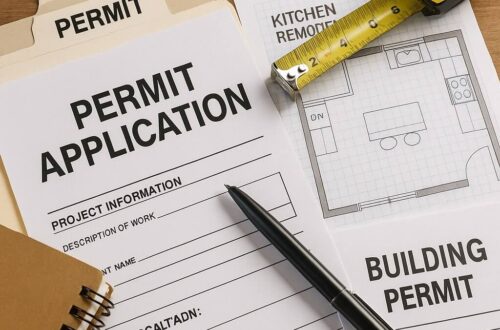
When planning your kitchen remodel, don’t overlook the necessary permits.
Ignoring local regulations or delaying applications can lead to costly fines and project delays.
Additionally, underestimating permit costs can disrupt your budget, so it’s essential to factor these requirements in early on.
Ignoring Local Regulations
Ignoring local regulations can lead to costly setbacks in your kitchen remodel. It’s essential to understand zoning laws and safety codes in your area before starting any project.
Skipping this step can result in fines, mandated alterations, or even project halts. Always check if you need permits for your remodel, especially for electrical, plumbing, or structural changes.
Failing to comply with local regulations not only delays your renovation but can also inflate costs due to necessary adjustments. Protect your investment by researching and adhering to all applicable guidelines from the outset.
A little diligence now can save you a lot later.
Delaying Permit Applications
Delaying permit applications can greatly disrupt your kitchen remodel timeline and budget.
When you overlook permit requirements, you risk encountering lengthy permit timelines that stall your project. The application processes can be complicated, often requiring detailed plans and inspections, which take time to finalize.
If you wait until the last minute, you might face unexpected delays that push back your entire renovation schedule. To avoid these pitfalls, tackle permit applications early and guarantee you meet all local regulations.
This proactive approach can save you both time and money, allowing your kitchen remodel to proceed smoothly.
Underestimating Permit Costs
Overlooking permit requirements can lead to unexpected costs that strain your kitchen remodel budget. Permit fees vary markedly, and failing to account for them in your budget estimates can derail your project. Here’s a quick breakdown to keep in mind:
| Permit Type | Average Cost |
|---|---|
| Building Permit | $500 – $2,000 |
| Electrical Permit | $200 – $800 |
| Plumbing Permit | $150 – $500 |
Always research and include these fees in your budget. Planning for permit costs will save you from unpleasant surprises during your remodel, keeping your finances on track.
Choosing the Wrong Contractor
How do you guarantee your kitchen remodel goes smoothly? Choosing the right contractor is essential.
Look for contractor qualifications that showcase their experience and expertise. Don’t just settle for the lowest bid; check references and reviews.
Effective contractor communication is equally important; make certain they listen to your ideas and keep you updated throughout the project. A contractor who can’t communicate well can lead to misunderstandings and costly mistakes.
Effective communication with your contractor is crucial; ensure they value your input and provide regular updates to avoid costly misunderstandings.
Take your time vetting candidates, and trust your instincts. A solid partnership with the right contractor can save you money and stress, making your kitchen remodel a success.
Ignoring the Importance of a Design Plan
When planning your kitchen remodel, start by sketching an initial layout that reflects your vision.
Prioritize functionality to guarantee your space works efficiently for your needs.
A solid design plan can save you time and money in the long run.
Sketch Initial Layout
Many homeowners jump straight into sketching an initial layout without recognizing the significance of a thorough design plan. Rushing into initial sketches can lead to costly mistakes and poor layout optimization.
| Mistake | Consequence |
|---|---|
| Skipping measurements | Inaccurate layouts |
| Ignoring workflow | Inefficient space use |
| Overlooking storage needs | Cluttered countertops |
| Lack of lighting design | Uninviting atmosphere |
| Not considering traffic | Congested pathways |
Taking the time to create a detailed design plan guarantees that your layout meets your needs while avoiding unnecessary expenses.
Consider Functionality First
After sketching an initial layout, homeowners often overlook the importance of prioritizing functionality in their kitchen design.
Focusing on kitchen workflow and creating efficient layouts can save you time and money. Here are some key factors to take into account:
- Work Triangle: Guarantee the sink, stove, and fridge form a functional triangle.
- Storage Solutions: Incorporate accessible cabinets and pantry space.
- Counter Space: Maximize prep areas to facilitate meal preparation.
- Traffic Flow: Design pathways that allow easy movement between work zones.
Skimping on Quality Materials
While it might be tempting to cut costs by choosing lower-quality materials for your kitchen remodel, doing so can lead to greater expenses down the line.
Skimping on quality often compromises material durability, resulting in more frequent repairs or replacements. Think about how long you want your investment to last.
Skimping on quality leads to increased repairs and replacements—consider the longevity of your investment.
Additionally, lower-quality materials can detract from your kitchen’s aesthetic appeal, making it less inviting and valuable.
Opting for higher-quality options may seem pricier upfront, but it pays off in longevity and beauty, ensuring your kitchen remains functional and stylish for years to come.
Don’t sacrifice quality for short-term savings.
Failing to Plan for the Unexpected
Even the best-laid plans can go awry during a kitchen remodel, so it’s crucial to anticipate potential hiccups. Failing to plan for unexpected expenses can derail your budget.
Here’s how to effectively implement contingency planning:
- Set aside 10-15% of your overall budget for unforeseen costs.
- Research potential issues related to your home’s structure, plumbing, or electrical systems.
- Consult with professionals early on to identify possible complications.
- Build flexibility into your timeline to accommodate delays without added stress.
Neglecting Storage Needs
Unexpected costs aren’t the only pitfall in a kitchen remodel; overlooking storage needs can greatly impact functionality.
When planning your remodel, think about kitchen organization and how much storage you truly need. If you neglect this aspect, you might end up with cluttered countertops and a disorganized space.
Consider incorporating smart storage solutions like pull-out shelves, vertical racks, or built-in cabinetry. These additions not only enhance the aesthetic but also improve efficiency.
Over-customizing
When you’re remodeling your kitchen, it’s easy to get carried away with unique design elements and high-end materials.
While customization can enhance your space, excessive custom features can greatly inflate your budget.
Focus on balancing personal style with practicality to avoid costly mistakes.
Unique Design Elements
Over-customizing your kitchen with unique design elements can quickly spiral your remodel costs out of control.
To keep your budget in check, consider these tips:
- Stick to a cohesive color palette—avoid bold color schemes that may limit future buyers’ appeal.
- Use innovative lighting that’s versatile rather than extravagant.
- Choose furnishings that blend functionality with style, rather than overly specialized pieces.
- Limit custom cabinetry and fixtures that can inflate costs considerably.
High-End Materials Choices
While unique design elements can elevate your kitchen’s aesthetic, the choice of high-end materials can considerably impact your budget. Opting for luxury finishes might seem appealing, but remember that material durability plays a vital role in long-term satisfaction. Here’s a breakdown of common high-end materials and their implications:
| Material | Cost Impact |
|---|---|
| Quartz Countertops | High Cost, Durable |
| Solid Wood Cabinets | Moderate Cost, Durable |
| Marble Backsplash | Very High Cost, Less Durable |
| Stainless Steel Appliances | Moderate Cost, Durable |
Balancing style and practicality will guarantee you stay within budget while achieving the desired look.
Excessive Custom Features
Custom features can add a personal touch to your kitchen remodel, but going overboard can quickly inflate your budget.
Here are four ways to avoid excessive customization:
- Limit custom cabinetry options: Choose standard sizes and styles to save money.
- Avoid bespoke appliance selections: Stick with popular brands and models that fit your needs.
- Balance unique elements: Integrate one or two standout features instead of multiple customizations.
- Focus on functionality: Prioritize practical designs that enhance usability without unnecessary flair.
Delaying Decisions
When you delay decisions during a kitchen remodel, you risk escalating costs and extending the timeline. Prolonged indecision often leads to decision fatigue, where you feel overwhelmed by choices.
This can result in design paralysis, making it hard to move forward. Each day you wait can increase labor costs and delay materials, biting into your budget.
To avoid this, set clear deadlines for decisions, and stick to them. Prioritize essential choices first, then tackle the smaller details.
Conclusion
By avoiding these common mistakes, you can keep your kitchen remodel costs in check. Set a realistic budget and factor in all expenses, including labor and permits. Choose the right contractor and prioritize a solid design plan. Stay organized, plan for the unexpected, and don’t overlook storage needs. Finally, make timely decisions to prevent delays. With careful planning and attention to detail, you can achieve your dream kitchen without breaking the bank.